
The goal of this website is to equip coaches with evidence-based information and practical advice to intentionally develop their athletes’ mental skills—just as deliberately as you approach physiological or technical training.
Coaches know that building endurance athletes takes time, patience, and a strategic approach. We often say it takes years to create an aerobic monster or 10,000 hours to master a skill. You already invest countless hours fine-tuning your programs for small but meaningful physiological and technical gains.
But what about the mental side of the sport?
While many coaches instinctively foster grit and mental toughness, the science of sports psychology has often felt less accessible. That’s changing. Recent studies are unlocking powerful insights into how mental processes impact performance, with clear, actionable strategies to help athletes achieve their best.
This is an exciting opportunity: to approach the mental development of your athletes with the same patience and intentionality you apply to their physical and technical training. By integrating psychological, physiological, and technical skills into a unified and scientifically validated framework—a “psychobiological” approach—you can unlock new levels of performance.
Research shows that this approach not only enhances athletic performance but also improves mental health, reduces burnout, and helps develop transferable life skills—qualities that benefit athletes and coaches alike.
Ready to explore how the psychobiological model can transform your coaching? Let’s start by learning what the psychobiological model of endurance sports is! Click here to begin the journey.
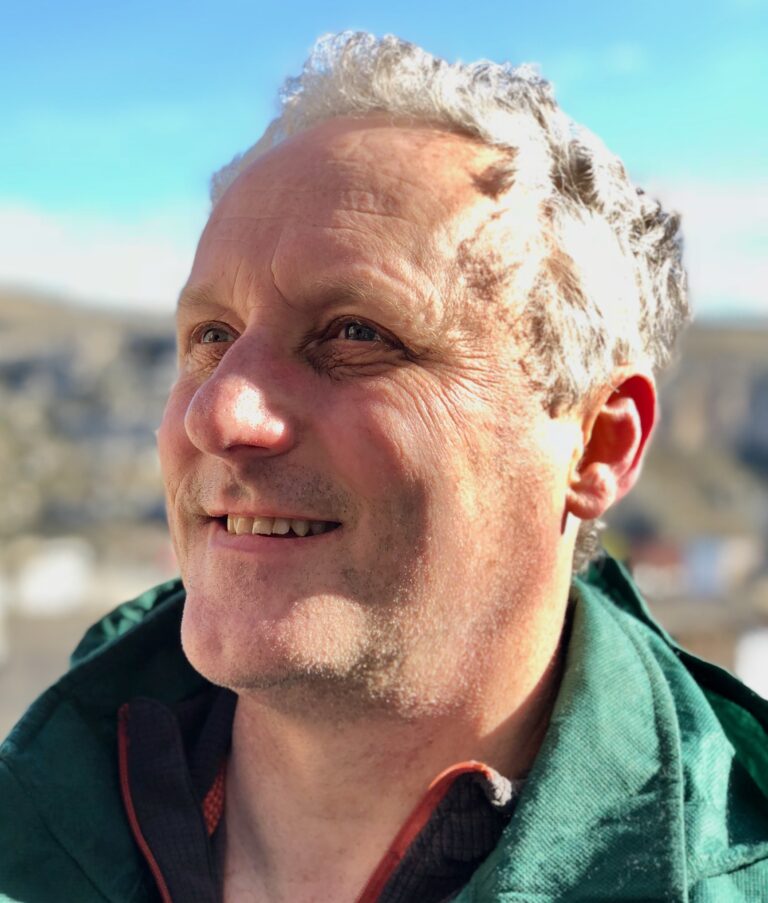
Dr. Richard Hull studies how the intersection of physiology and psychology can lead to superior performance in endurance sports.
Richard has a PhD in biochemistry from Oxford University where he rowed and won the Boat Race three times. He also raced for the British national team, and won the Visitor’s Cup at Henley.
After Oxford, Richard spent several years working at the intersection of the scientific and business worlds in Europe, SE Asia, and the US, translating biomedical innovation in academia to real world impact.
For the past decade, Richard has coached rowing in the US and the UK. His experience spans youth to masters, elite national (U19/U23) level to recreational. He currently coaches the high performance junior team at Marlow Rowing Club in the UK.
Richard loves sharing his passion for a “psychobiological” approach to developing athletes. He teaches the physiology and psychobiology module for USRowing’s Level 3 High Performance Coaching course, has presented at numerous conferences, and hopes that you enjoy exploring the subject on this website and beyond.